
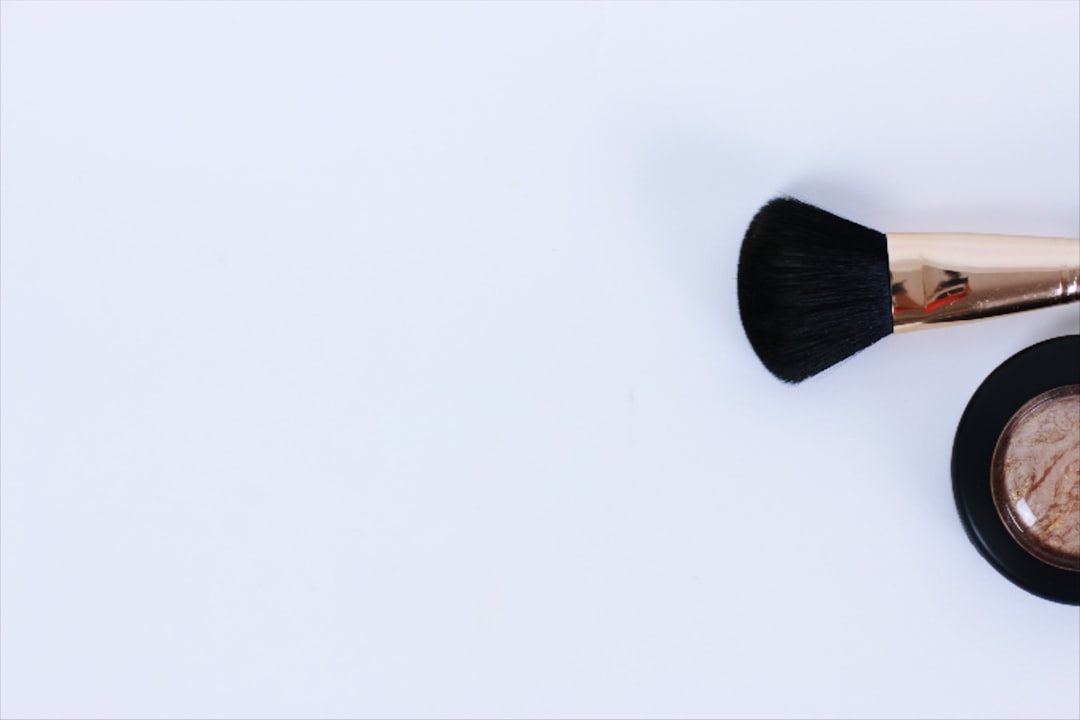
The difference between amateur and professional-looking makeup often comes down to the tools used for application. As professional visagistes, we understand that quality tools are essential investments that dramatically improve makeup results and make the application process easier and more enjoyable. While you don't need hundreds of brushes and gadgets, having the right essential tools ensures you can achieve any look effectively. This comprehensive guide explores the must-have makeup tools that every beauty enthusiast should own, explaining their specific purposes and how to use them properly.
Understanding Brush Construction
Before diving into specific tools, understanding brush construction helps you make informed purchasing decisions. Makeup brushes consist of bristles, a ferrule holding the bristles, and a handle. Bristles can be natural hair or synthetic fibers, each with specific advantages. Natural hair brushes, typically made from animal hair, excel at picking up and blending powder products. They're soft, durable, and hold powder well. However, they can be expensive and aren't suitable for everyone, particularly vegans or those with animal hair allergies.
Synthetic brushes have improved dramatically in recent years and now rival natural hair in quality. Modern synthetic fibers are incredibly soft and versatile, working beautifully with both powder and cream products. They're also easier to clean, dry faster, and are typically more affordable than natural hair options. For most makeup applications, high-quality synthetic brushes perform excellently and are the more practical choice. The ferrule quality matters significantly, as cheap ferrules can loosen over time, causing bristle shedding. Look for crimped or glued and crimped ferrules for longevity. Handle length is largely a matter of personal preference, though shorter handles offer more control for detailed work.
Face Brushes: Foundation and Base
Foundation application requires the right tool for your chosen formula and desired finish. Flat foundation brushes with dense, tightly packed bristles work well for liquid foundation, providing full coverage and smooth application. Use stippling motions to apply foundation, then buffing movements to blend for a seamless finish. Buffing brushes feature dense, dome-shaped bristles that work beautifully for blending foundation into the skin, creating an airbrushed effect. These versatile brushes work with liquid, cream, or powder foundations.
For those who prefer a lighter, more natural finish, a stippling brush with duo-fiber bristles provides sheerer coverage while still evening skin tone. The technique involves lightly bouncing the brush over your skin, depositing and blending product simultaneously. Many makeup artists and enthusiasts now favor beauty sponges for foundation application. These egg-shaped sponges, used damp, provide seamless blending and a natural, skin-like finish. They work particularly well for buildable coverage and blending around the nose and eyes where brushes can sometimes leave streaks. Invest in a quality sponge and replace it every few months as they deteriorate with use.
Powder and Setting Brushes
Large, fluffy powder brushes apply setting powder without disturbing underlying makeup. These brushes feature soft, loosely packed bristles that pick up the perfect amount of product for a light, even application. Swirl the brush in powder, tap off excess, and apply with gentle sweeping or pressing motions depending on desired coverage. For precise powder application under the eyes or in specific areas, a smaller, tapered powder brush provides more control.
Kabuki brushes, characterized by their short, dense bristles and compact size, excel at buffing powder into the skin for flawless, seamless coverage. They work beautifully with pressed powder foundations or for touch-ups throughout the day. Some makeup artists prefer powder puffs for setting makeup, particularly under the eyes. These provide maximum coverage and set makeup exceptionally well, though they require a lighter hand to avoid appearing cakey.
Blush, Contour, and Highlight Brushes
Blush brushes typically feature medium-sized, dome-shaped or angled bristles that fit perfectly on the apple of your cheeks. The shape allows for precise placement while still blending product seamlessly. Angled blush brushes offer more definition and work particularly well for contouring. Contour brushes are usually angled and slightly denser than blush brushes, allowing for precise placement in the hollows of cheeks, along the hairline, and jawline. The angle facilitates proper placement and blending of contour product to create natural-looking shadows.
Fan brushes, with their distinctive flat, fan-shaped bristles, are perfect for applying highlighter with a light hand. The shape prevents over-application and creates a natural, diffused glow. They also work well for dusting off excess powder or fallout from eyeshadow application. Tapered highlighting brushes offer more concentrated application for those who prefer intense highlight. Small, dense brushes work well for cream or liquid highlighters, while fluffier versions suit powder formulas.
Eyeshadow Brushes: The Essentials
A comprehensive eye makeup look requires several different brush shapes. Flat shader brushes pack color onto the lid with maximum intensity. These dense, flat brushes are essential for applying eyeshadow base colors and creating bold, pigmented looks. Use patting motions rather than sweeping to maximize color payoff. Fluffy blending brushes are crucial for creating seamless transitions between eyeshadow colors. These soft, loosely packed brushes blur harsh lines and create beautiful gradients. Use windshield-wiper motions in your crease to blend colors perfectly.
Pencil brushes feature small, tapered tips perfect for precise placement of color. Use them to define the outer corner, create a cut crease, or add depth to specific areas. They also work well for applying color along the lower lash line. Small, dense dome brushes excel at detailed work and blending in tight spaces like the inner corner or lower lash line. Angled brushes serve multiple purposes for eye makeup. Use them with powder or gel liner for precise wing application, or use them to smoke out pencil liner for a sultry effect. They're incredibly versatile tools that belong in every makeup collection.
Liner and Detail Brushes
Fine-tipped liner brushes allow for precise application of gel, cream, or liquid eyeliner. The thin, pointed bristles create sharp, clean lines for wings and tight-lining. Choose a brush with some stiffness for control, but not so stiff that it's scratchy or difficult to maneuver. Angled liner brushes provide an alternative for those who find straight liner brushes challenging. The angled shape naturally creates the wing angle and offers more control for beginners.
Small, flat detail brushes work perfectly for applying concealer precisely to blemishes, defining the lip line, or cleaning up eyebrow edges with concealer. Their small size allows for exact placement without disturbing surrounding makeup. Spoolie brushes, looking like miniature mascara wands, are essential for grooming brows and blending brow products. Use them to brush brows into shape before filling them in, then again afterward to soften and blend the product for natural-looking results.
Lip Brushes and Tools
Lip brushes provide precise application and allow you to use lipstick directly from the bullet or mix custom shades. Flat lip brushes with slightly pointed tips offer the most versatility, enabling you to outline lips precisely and fill them in evenly. Using a lip brush extends the life of your lipsticks and creates a more polished, professional result than direct application. Lip liners are essential tools rather than optional extras. They define lip shape, prevent lipstick from feathering, and increase lipstick longevity. Choose liners that match your natural lip color or your lipstick shade for versatile use.
Beauty Sponges and Applicators
Beauty sponges have revolutionized makeup application in recent years. These egg-shaped tools, used damp, provide seamless blending of liquid and cream products. The pointed end reaches into tight areas around the nose and eyes, while the rounded end works for larger areas. The flat edge can be used for precision contouring or baking. Always use beauty sponges damp, as this prevents them from absorbing too much product and provides optimal blending. Squeeze out excess water before use, so the sponge is moist but not dripping.
Silicone sponges offer an alternative that doesn't absorb product, meaning you use less foundation per application. However, they require different techniques and don't blend as seamlessly as traditional sponges. They work best for sheer application or for those who want to minimize product usage. Disposable sponge applicators, often included with eyeshadow palettes, have their place in your kit. While not ideal for primary application, they're useful for targeted color placement or when traveling. Keep some on hand for emergencies or when you need to apply makeup on the go.
Specialized Tools
Several specialized tools can enhance your makeup application and results. Eyelash curlers lift and curl lashes, opening up the eye area and creating a wide-awake appearance. Use them before mascara application, being careful not to pinch the skin. Heat the curler slightly with a blow dryer for a few seconds for extra-lasting curl, but always test the temperature before using to avoid burning the delicate eye area. Tweezers keep brows groomed and are essential for applying false lashes. Slanted-edge tweezers offer the most versatility for brow grooming, while pointed tweezers work better for splinter removal or precise false lash application.
Brow scissors with small, curved blades allow you to trim overly long brow hairs for a neater appearance. Use them carefully, trimming only the tips of long hairs rather than cutting them short. Lash combs separate and de-clump mascara for defined lashes. Metal combs work most effectively, though they require a gentle hand. Brush through lashes immediately after mascara application, before it dries, for best results. Brush cleaning tools make maintaining your brushes easier. Silicone cleaning mats with various textures help work cleanser through bristles, while brush cleaning solutions specifically formulated for makeup brushes effectively remove product buildup and bacteria.
Tool Care and Maintenance
Proper tool maintenance extends the life of your brushes and ensures optimal performance. Clean brushes regularly to remove product buildup and bacteria that can cause breakouts. Brushes used with liquid or cream products should be cleaned after each use, while powder brushes can be cleaned weekly with regular use. Use a gentle brush cleanser or baby shampoo, working it through the bristles without getting water into the ferrule, which can loosen the glue. Rinse thoroughly until water runs clear, reshape the bristles, and lay flat to dry on a clean towel. Never dry brushes upright, as water can seep into the ferrule and damage the brush.
Beauty sponges require cleaning after each use, as their damp environment can harbor bacteria. Wash with gentle soap or specialized sponge cleanser, squeezing repeatedly until water runs clear. Allow to air dry completely before storing. Replace sponges every few months or when they show signs of deterioration. Store brushes properly to maintain their shape and cleanliness. Brush holders keep brushes upright and organized, while brush rolls protect them during travel. Avoid storing brushes in enclosed containers until they're completely dry, as this promotes bacterial growth.
Building Your Collection
You don't need to purchase every tool at once. Start with essentials for your regular makeup routine, then add specialized brushes as needed. Consider purchasing sets from reputable brands for better value, though ensure the set contains brushes you'll actually use rather than unnecessary extras. Invest in quality tools that will last years rather than cheap brushes that shed and perform poorly. Professional-grade brushes are worthwhile investments that dramatically improve your makeup application.
Conclusion
Quality makeup tools are essential for achieving professional-looking results at home. While the initial investment might seem significant, proper tools last for years with appropriate care and transform your makeup application process. Start with the essentials outlined in this guide, focusing on versatile tools that work for multiple purposes. As you develop your skills and preferences, add specialized brushes that support your specific makeup style. Remember that even the best products can't perform optimally without proper application tools. By investing in quality brushes, sponges, and tools, you're investing in better makeup results and a more enjoyable application experience.