
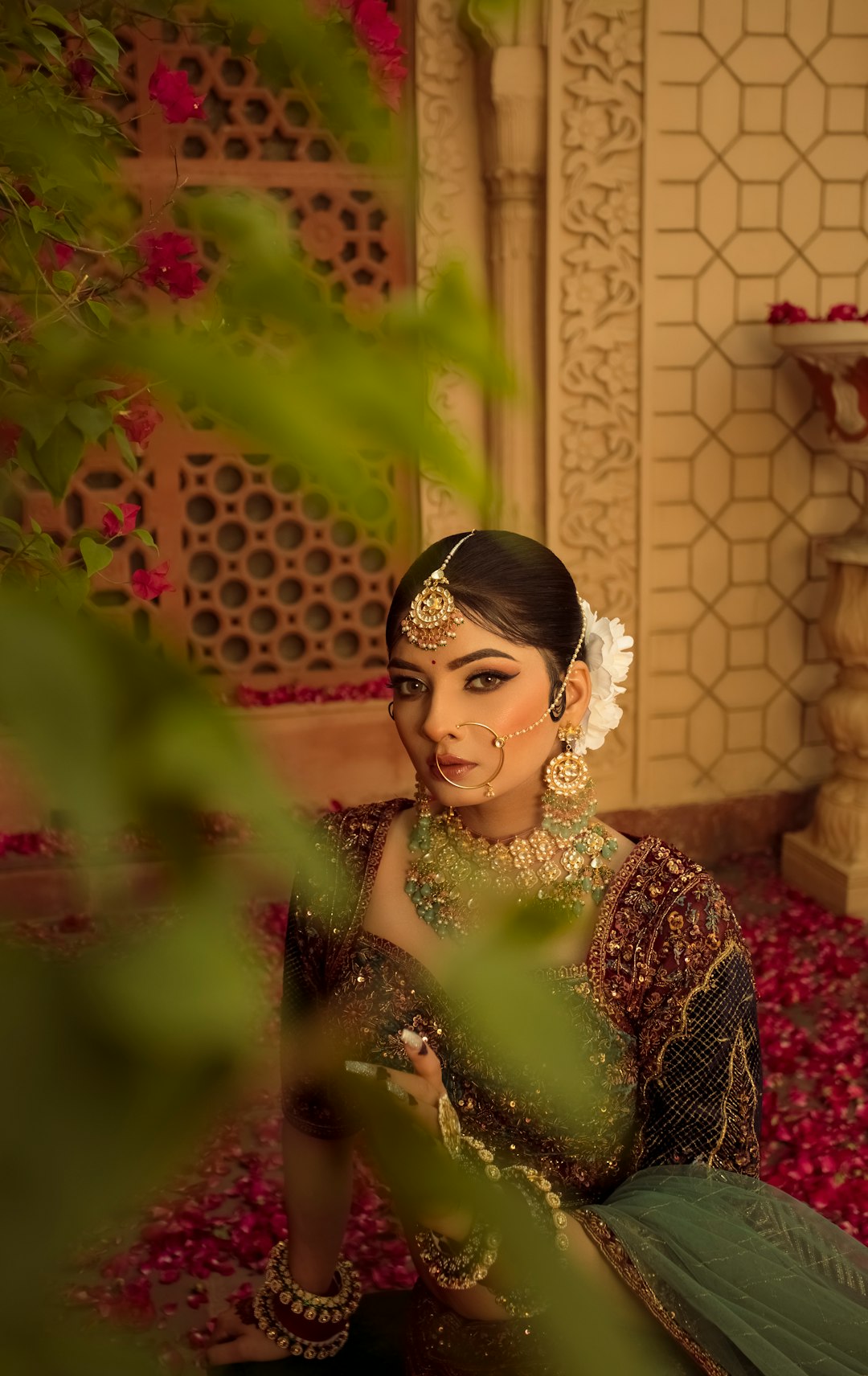
As the seasons change, so should your makeup routine. Different weather conditions, lighting, and fashion trends throughout the year call for adjustments in how we approach beauty. As professional visagistes, we understand that makeup isn't one-size-fits-all, and what works beautifully in summer might feel heavy or inappropriate in winter. This comprehensive guide explores how to transition your makeup seamlessly through the seasons, ensuring you always look fresh, current, and perfectly suited to the time of year.
Understanding Seasonal Skin Changes
Your skin behaves differently throughout the year, responding to temperature fluctuations, humidity levels, and environmental factors. Recognizing these changes is the first step in adapting your makeup routine effectively. Winter typically brings dry, flaky skin as cold outdoor air and indoor heating strip moisture from your complexion. Summer heat and humidity can increase oil production, leading to shine and potential breakouts. Spring and autumn represent transitional periods where your skin gradually adjusts between these extremes.
These seasonal skin changes directly impact how makeup performs and looks on your face. Foundation that worked perfectly in summer might appear cakey and emphasize dry patches in winter. Conversely, a rich moisturizing foundation ideal for cold weather could feel heavy and slide off in summer heat. Understanding these dynamics helps you make informed decisions about product formulas and application techniques throughout the year.
Spring: Fresh and Luminous
Spring represents renewal and freshness, and your makeup should reflect this energy. As days grow longer and natural light becomes more prominent, transition away from heavy winter makeup toward lighter, more luminous formulas. Replace full-coverage foundations with tinted moisturizers or lightweight foundations that allow your natural skin to show through. The goal is creating a fresh-faced, dewy appearance that captures the essence of the season.
Color palettes for spring embrace soft, romantic tones. Think blush pinks, peachy corals, soft lilacs, and mint greens. These shades complement the blooming flowers and emerging greenery of the season. Apply cream blushes for a natural flush that mimics the glow of spring weather. Highlighter becomes more prominent in spring routines, placed strategically on cheekbones, cupid's bow, and inner corners of eyes to create that coveted luminosity.
Lip colors in spring lean toward sheer, glossy formulas in berry, rose, and coral tones. The lips should look naturally enhanced rather than heavily painted. Consider lip stains topped with gloss for color that lasts while maintaining a fresh, youthful appearance. As for eyes, keep shadow light and barely-there, focusing on neutral tones with occasional pops of pastel color for special occasions. Mascara and groomed brows provide definition without heaviness.
Summer: Long-Lasting and Radiant
Summer makeup faces unique challenges from heat, humidity, and extended outdoor activities. Longevity becomes paramount, as you need products that withstand sweat, water, and long days in the sun. Switch to long-wearing, waterproof formulas for foundation, mascara, and eyeliner. Primers become essential for creating a barrier between your skin and makeup, helping everything stay in place despite challenging conditions.
Foundation choices for summer should be oil-free and preferably mattifying, particularly if you have oily or combination skin. However, don't go completely matte, as this can appear flat and aging. Instead, aim for a natural satin finish that controls shine without looking lifeless. Set your makeup with translucent powder, focusing on the T-zone and other areas prone to oiliness. Carry blotting papers throughout the day to manage shine without disturbing your makeup.
Summer color palettes embrace warmth and vibrancy. Bronze, gold, coral, and warm berry tones dominate, reflecting the sunny, energetic feeling of the season. Bronzer becomes a staple for creating sun-kissed warmth, applied to areas where the sun naturally hits your face. Waterproof mascara is non-negotiable, preventing raccoon eyes during beach days or outdoor events. Lip colors tend toward bright corals, hot pinks, and vibrant reds, though many prefer simple tinted lip balms with SPF for casual summer days.
Autumn: Rich and Sophisticated
Autumn brings cooler temperatures and a shift toward richer, more sophisticated makeup looks. As leaves change color, so should your makeup palette, embracing the warm, earthy tones characteristic of the season. Transition back to slightly fuller coverage foundations as skin begins recovering from summer sun exposure. You can incorporate more moisture into your base products as the air becomes drier, though you haven't yet reached the intense dryness of winter.
Color palettes for autumn feature warm, rich tones that mirror the changing foliage. Think burnt orange, deep burgundy, chocolate brown, olive green, and mustard yellow. These shades create depth and warmth perfect for the season. Matte lipsticks make a comeback in autumn, particularly in berry, wine, and brick red shades. These richer lip colors pair beautifully with more neutral eye makeup, creating balance in your overall look.
Eye makeup in autumn can be more dramatic than summer looks, with smoky eyes and deeper shadow colors becoming appropriate for both day and evening wear. Browns, taupes, and warm burgundies create beautiful dimension. This is the perfect season to experiment with jewel tones like emerald, sapphire, and amethyst, which look particularly striking as the days grow shorter and lighting becomes softer. Finish autumn looks with warm-toned blushes in terracotta, deep peach, or mauve shades.
Winter: Moisturized and Defined
Winter makeup prioritizes moisture and hydration while embracing dramatic, defined looks appropriate for the holiday season and formal winter events. Combat dry winter skin by switching to hydrating, luminous foundations that provide moisture along with coverage. Incorporate facial oils or hydrating serums into your pre-makeup routine to create a smooth, moisturized base. Cream products work particularly well in winter, as they add moisture and blend seamlessly into skin.
Winter color palettes span two extremes: soft, frosty tones for daytime and bold, dramatic shades for evening. Icy pinks, soft mauves, and cool-toned nudes create sophisticated daytime looks, while deep berries, true reds, and dramatic plums perfect evening glamour. Winter is the ideal season for bold lip colors, as the festive atmosphere and formal events call for statement-making beauty. Classic red lips paired with winged liner create timeless winter elegance.
Define eyes more dramatically in winter with liner, mascara, and sculpted shadow looks. The lower natural light of winter months allows for more intense makeup without appearing overdone. Shimmer and metallic finishes work beautifully during winter, particularly for holiday celebrations. Silver, gold, and bronze shadows create festive looks, while highlighter placed generously on high points of the face combats the dulling effect of indoor lighting.
Transitional Products and Techniques
Certain products and techniques help you transition smoothly between seasons without purchasing entirely new makeup collections. Multi-use products that work year-round provide excellent value and versatility. Cream blushes and highlighters can be sheered out for summer or built up for winter, adapting to seasonal needs. Neutral eyeshadow palettes work throughout the year, with application techniques and accompanying colors creating seasonal variation.
Mixing products allows you to customize formulas for seasonal needs. Blend liquid illuminator into foundation for extra glow in winter, or mix mattifying primer with moisturizer to balance summer oiliness. These customization techniques extend the usefulness of your existing products while addressing seasonal requirements. Building a core collection of year-round staples supplemented with seasonal specialty items creates a practical, manageable makeup wardrobe.
Adapting to Environmental Factors
Beyond weather, consider other environmental factors that influence makeup choices throughout the year. Lighting conditions vary dramatically between seasons, affecting how makeup appears. Summer's bright natural light reveals every detail, requiring careful blending and lighter application. Winter's dim natural light and heavier reliance on artificial lighting calls for more defined, dramatic application to ensure your features read clearly.
Indoor versus outdoor time varies seasonally, impacting makeup needs. Summer typically involves more outdoor activities requiring sun protection, water-resistant formulas, and lightweight products. Winter sees more time indoors under heating systems that dry skin, requiring more moisturizing products and frequent reapplication of hydrating lip products. Consider your typical daily activities each season when planning makeup routines.
Seasonal Skincare Integration
Your skincare routine should transition seasonally alongside your makeup. Winter requires richer moisturizers, heavier night creams, and potentially facial oils to combat dryness. Summer calls for lightweight, oil-free moisturizers and increased sun protection. These skincare adjustments directly impact how makeup performs, as properly prepared skin provides the ideal canvas regardless of season.
Exfoliation needs also vary seasonally. Winter's dry air may require gentler, more hydrating exfoliation methods to remove flaky skin without causing irritation. Summer's increased oil production might benefit from slightly more frequent exfoliation to prevent clogged pores. Adapting your entire beauty routine holistically ensures optimal results from both skincare and makeup products.
Building Your Seasonal Makeup Wardrobe
You don't need an entirely different makeup collection for each season, but having some seasonal variations enhances your options and ensures appropriate looks year-round. Invest in quality year-round basics: versatile foundation that can be sheered out or built up, neutral eyeshadow palettes, and classic lip colors. Supplement these with seasonal additions like a lightweight tinted moisturizer for summer, a rich moisturizing foundation for winter, and seasonal lip colors that capture each period's aesthetic.
Organize your makeup seasonally, storing off-season products properly to extend their life. This practice also helps you rediscover products as seasons change, feeling like shopping your own collection. Review your makeup twice yearly, typically in spring and autumn, discarding expired products and assessing what you need for the upcoming season. This maintenance keeps your collection current, functional, and manageable.
Professional Tips for Seamless Transitions
Start transitioning your makeup gradually rather than making drastic changes overnight. As seasons shift, incorporate new techniques or colors one at a time, allowing yourself to adjust to different looks. Pay attention to how your skin responds to seasonal changes, adjusting your routine as needed rather than following rigid schedules. Your skin's needs might shift earlier or later than calendar dates suggest, particularly during unusual weather patterns.
Take advantage of seasonal sales to stock up on products you know you'll need. Purchase summer essentials like waterproof mascara and oil-free foundation during winter sales, and buy richer moisturizers during summer clearances. This forward-thinking approach saves money while ensuring you have appropriate products when needed. Don't forget to adjust makeup shade selections seasonally as well. Your foundation shade might need recalibrating as your skin tone shifts from pale winter complexion to sun-kissed summer skin.
Conclusion
Adapting your makeup routine seasonally ensures you always look current, fresh, and appropriate for the time of year. By understanding how weather, lighting, and environmental factors affect your skin and makeup performance, you can make informed decisions about products and techniques throughout the year. Seasonal makeup transitions don't require complete overhauls of your beauty routine or extensive product collections. Instead, thoughtful adjustments to formulas, colors, and application techniques create looks that capture each season's unique beauty while keeping you looking your best year-round. Embrace the opportunity to refresh your look as seasons change, viewing it as a chance to experiment with new colors and techniques while maintaining your signature style.